Practical tutoring in Building Technology

Helping students understand construction technology — through step-by-step teaching and worked examples.

Brandswe work with
  • partner4
  • partner5
  • partner6
  • partner7
  • partner8
growth
Trusted by 1k+ clients (4.8/5)

CORE MODULES TUTORED

about-image-3

STUDENTS SUPPORTED

Annually
WHY TUTORING MATTERS

Many students work hard but still fall behind. The real issue is rarely effort — it's unclear concepts, weak exam technique, and not knowing how to apply theory to real construction problems.

Many students work hard but still fall behind. The real problem is rarely a lack of effort — it's usually an unclear grasp of core concepts, ineffective study methods, and not knowing how to apply theory to real construction problems. Without clear explanations and structured practice, even capable students can feel stuck, repeating the same mistakes without making real progress. Understanding happens when students can see the reasoning behind each step.

Practical, Concept-First Tutoring

Concepts explained in plain language, with real construction examples

Focused on Your Assessment

Every session ties back to what you'll be tested and marked on.

Sthabile Siphuhlu — Tutoring Portfolio
Tutoring Portfolio

Sthabile Siphuhlu

Building Technology Tutor · Walter Sisulu University

Qualification Diploma in Building Technology
Institution Walter Sisulu University
Tutoring Since May 2026
Students Supported Final-Year Building Technology Students
01
Section One

Personal Statement

A graduate of Walter Sisulu University, now supporting final-year Building Technology students in three core modules.

My name is Sthabile Siphuhlu, and I am a graduate of Walter Sisulu University, where I completed a Diploma in Building Technology. I began my tutoring journey in May 2026, providing academic support to final-year Building Technology students. My role as a tutor allows me to share the knowledge and skills I gained during my studies while contributing to the academic development and success of other students.

I am passionate about the built environment and believe that education, knowledge sharing, and academic support play an important role in preparing students for their future careers. Through tutoring, I aim to create a supportive and inclusive learning environment where students feel comfortable asking questions, sharing ideas, and developing a deeper understanding of their modules.

My tutoring philosophy is based on patience, commitment, teamwork, effective communication, and continuous learning.

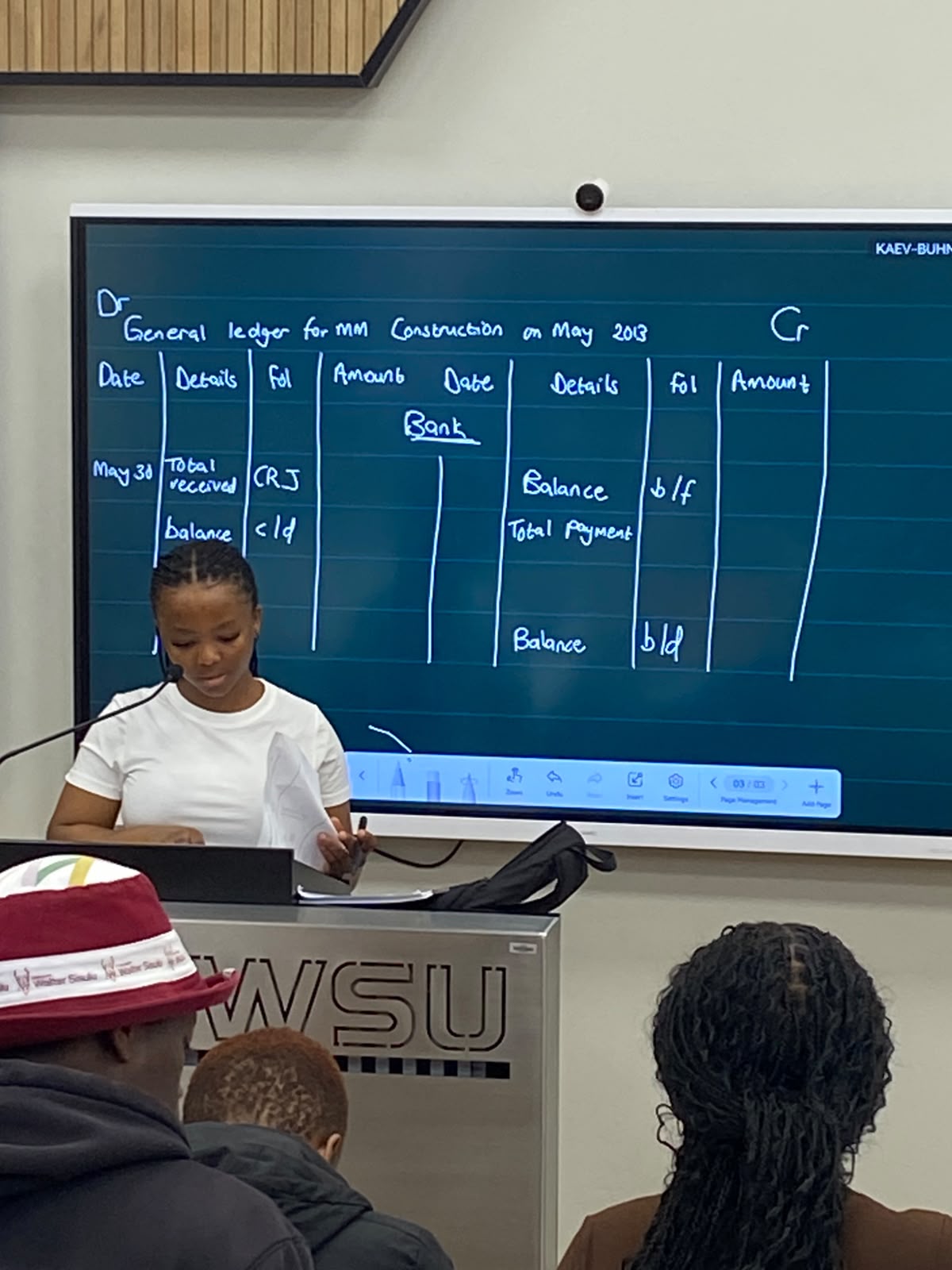
I provide tutoring support in three modules: Construction Accounting, Construction Technology, and Analysis of Pricing and Estimating. These modules require students to develop technical knowledge, numerical accuracy, analytical thinking, and problem-solving skills. My responsibility is to help students understand challenging concepts by explaining them clearly, demonstrating calculations step by step, and using practical examples relevant to the construction industry.

I recognise that students have different learning needs and levels of understanding. Therefore, I aim to adapt my teaching approaches to make learning more accessible and encourage active participation.

Since starting tutoring in May 2026, I have been committed to developing my facilitation, leadership, communication, and mentoring skills. I also recognise the importance of reflecting on my performance, receiving constructive feedback, and identifying opportunities to improve my tutoring practice.

My ultimate goal is to support students in improving their academic understanding, building confidence, becoming independent learners, and preparing for professional opportunities within the construction and built environment sectors.

02
Section Two

Module Details

I provide academic support to final-year students in three modules that contribute to their understanding of construction processes, financial management, and project cost estimation.

Module 01 · Financial Principles

Construction Accounting

ACC 3

Focuses on the financial principles and accounting procedures used to manage and interpret financial information in construction-related businesses and projects.

  • Recording financial transactions
  • Ledger accounts & trial balances
  • Debits, credits & profit and loss
  • Break-even analysis
  • Construction costs, revenue, expenditure
Module 02 · Materials & Methods

Construction Technology

CT 3

Focuses on the materials, methods, techniques, and processes used in building construction, and how components are designed and assembled.

  • Building materials & properties
  • Foundations & substructures
  • Walls, floors, roofs, finishes
  • Construction methods & sequencing
  • Building drawings & details
Module 03 · Costing & Estimating

Analysis of Pricing & Estimating

APE 3

Focuses on determining the costs of construction work — quantities, labour, plant, overheads, and profit — and preparing project estimates.

  • Principles of construction estimating
  • Taking-off quantities
  • Bills of quantities
  • Unit rates & labour costs
  • Overheads, profit, accuracy checks

Summary of Modules

How each module is structured and how I approach it.

Module Main Focus Tutoring Approach
Construction Accounting Financial records, accounting principles, and calculations Worked examples and practice exercises
Construction Technology Building materials, components, and construction methods Diagrams, drawings, and practical examples
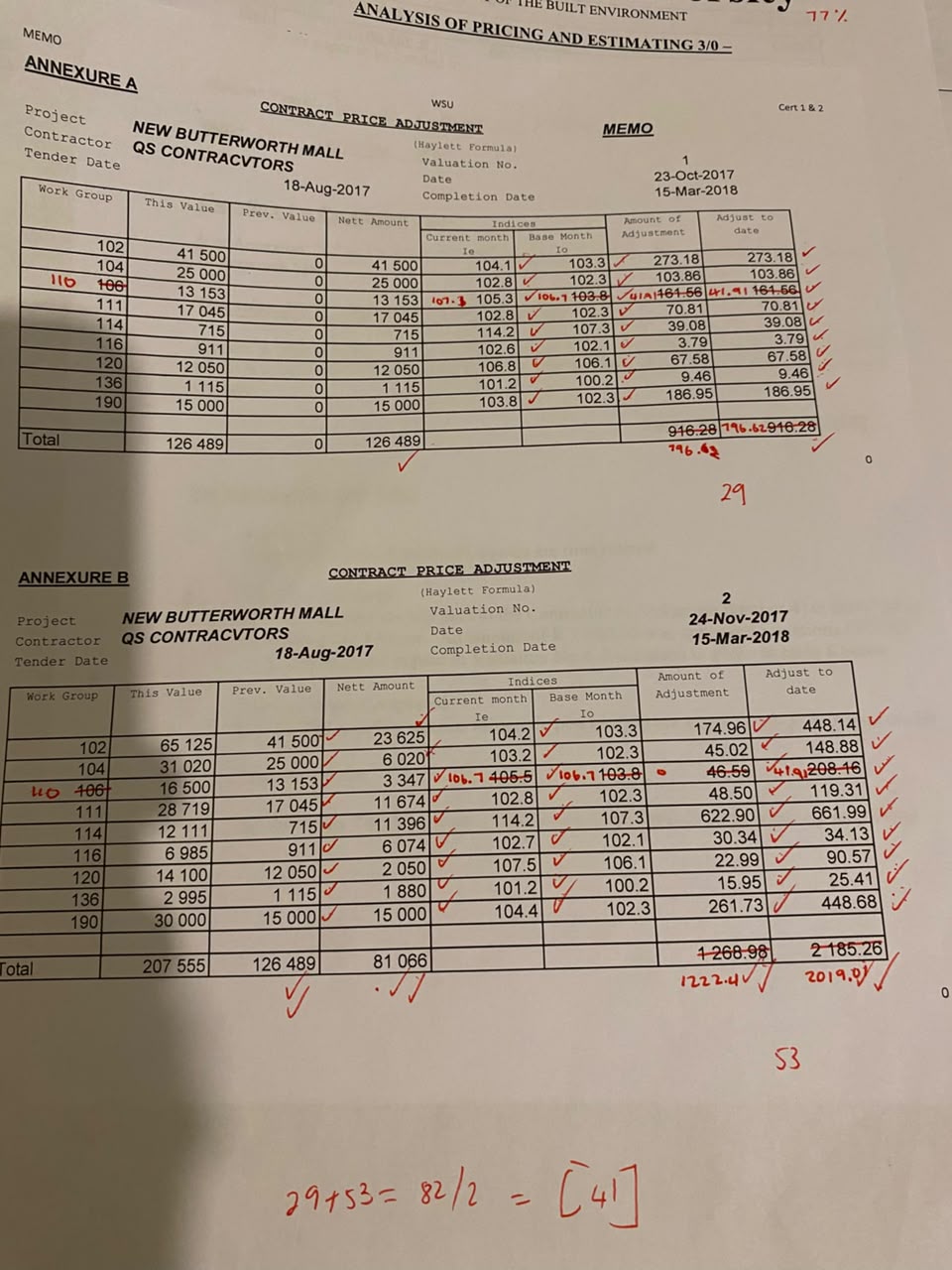
Analysis of Pricing & Estimating Construction quantities, rates, and costs Step-by-step calculations and estimating exercises

Tutoring Focus by Module

Roughly how tutorial time is spent across the three modules.

Construction Accounting
~33%
Construction Technology
~33%
Analysis of Pricing & Estimating
~33%

Note: Adjust the percentages to reflect the real balance of your tutorial time before publishing.

03
Section Three

Training & Development

Training and development are important for improving my effectiveness as a tutor. Tutoring has encouraged me to develop additional skills in communication, facilitation, mentoring, lesson preparation, and student support.

Professional Development Activities

Skill 01

Subject Knowledge

I review module content, tutorial questions, lecture materials, and worked examples to strengthen my understanding of the topics being covered.

Skill 02

Communication

I aim to explain technical terminology clearly and encourage questions and discussion so students can clarify concepts.

Skill 03

Facilitation & Mentoring

I work towards creating a supportive environment where students feel respected, encouraged to participate, and confident.

Skill 04

Assessment & Feedback

I use practice questions and exercises to identify where students need help, and provide constructive feedback to improve their performance.

Skill 05

Digital Skills

I seek to improve my use of digital learning resources, presentation tools, spreadsheets, and online platforms to support tutorials.

Future Training & Development Goals

Through these activities, I aim to become a more confident, effective, and adaptable tutor.

  • Participating in tutor training and academic development workshops
  • Improving my understanding of student-centred teaching methods
  • Developing more effective strategies for explaining complex calculations
  • Improving my use of digital tools in teaching and learning
  • Strengthening my knowledge of construction practices and estimating
  • Learning how to evaluate student progress more effectively
  • Seeking feedback from students and the academic support team
  • Reflecting on tutorial sessions to identify areas for improvement
04
Section Four

Tutorial Delivery

My approach focuses on providing structured, interactive, and student-centred academic support — helping final-year students understand difficult concepts, practise problem-solving, and prepare for assessments.

Structure of a Tutorial Session

Step 1 · Introduction and Learning Objectives

I introduce the topic and explain what students should understand or be able to do by the end of the session.

Step 2 · Revision of Previous Knowledge

I briefly review relevant concepts to connect students' existing knowledge with the new material.

Step 3 · Explanation of Concepts

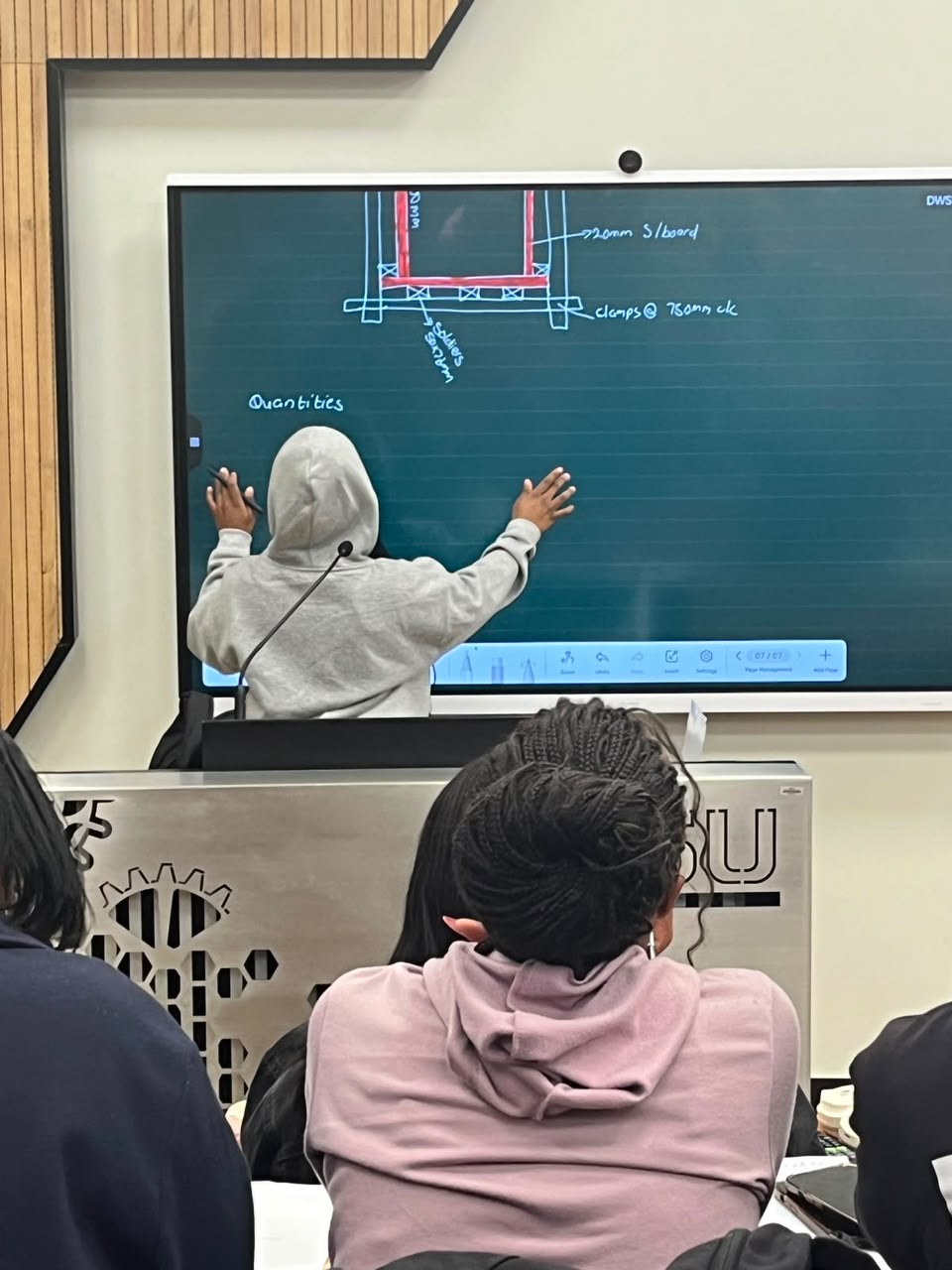
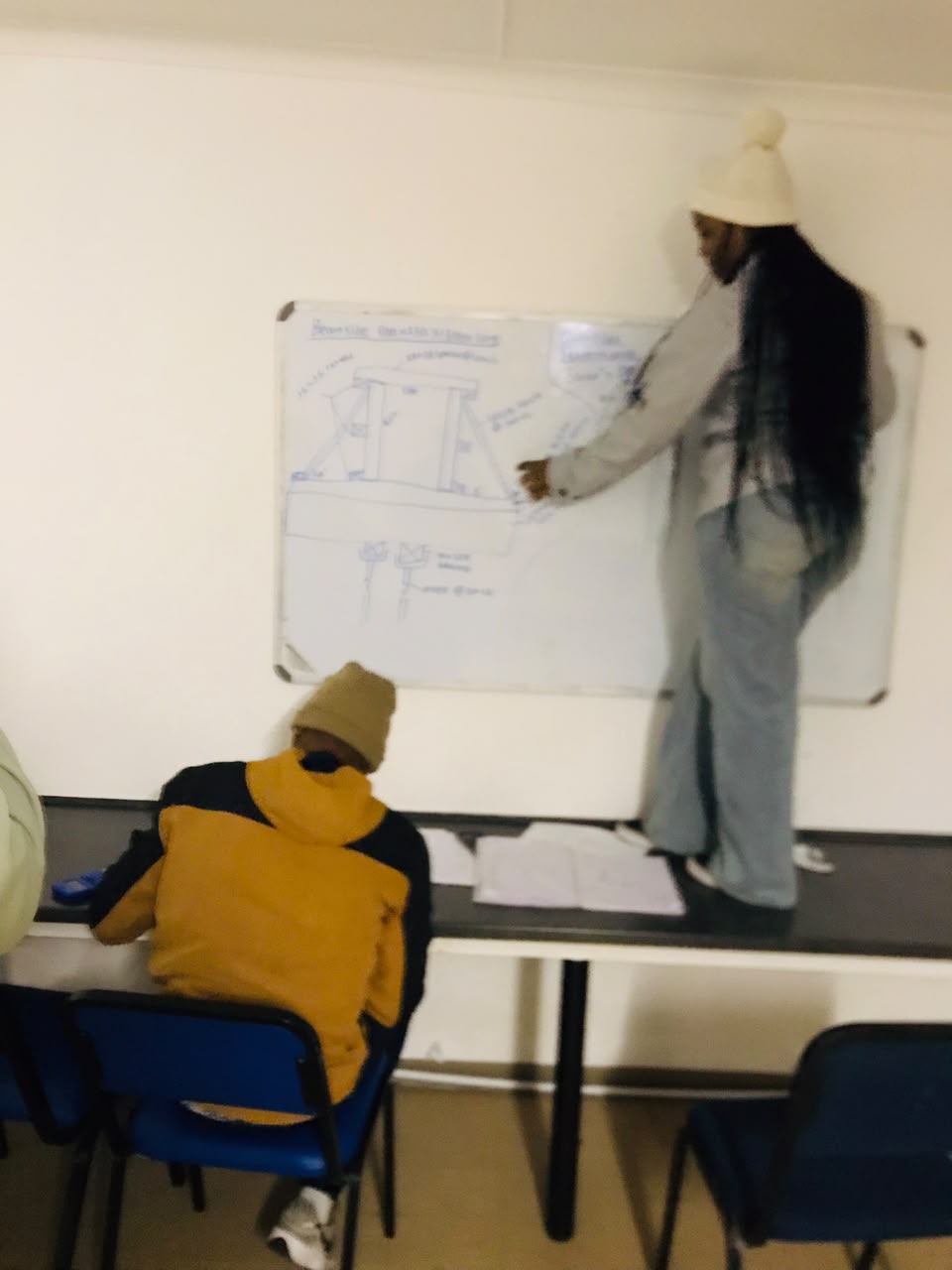
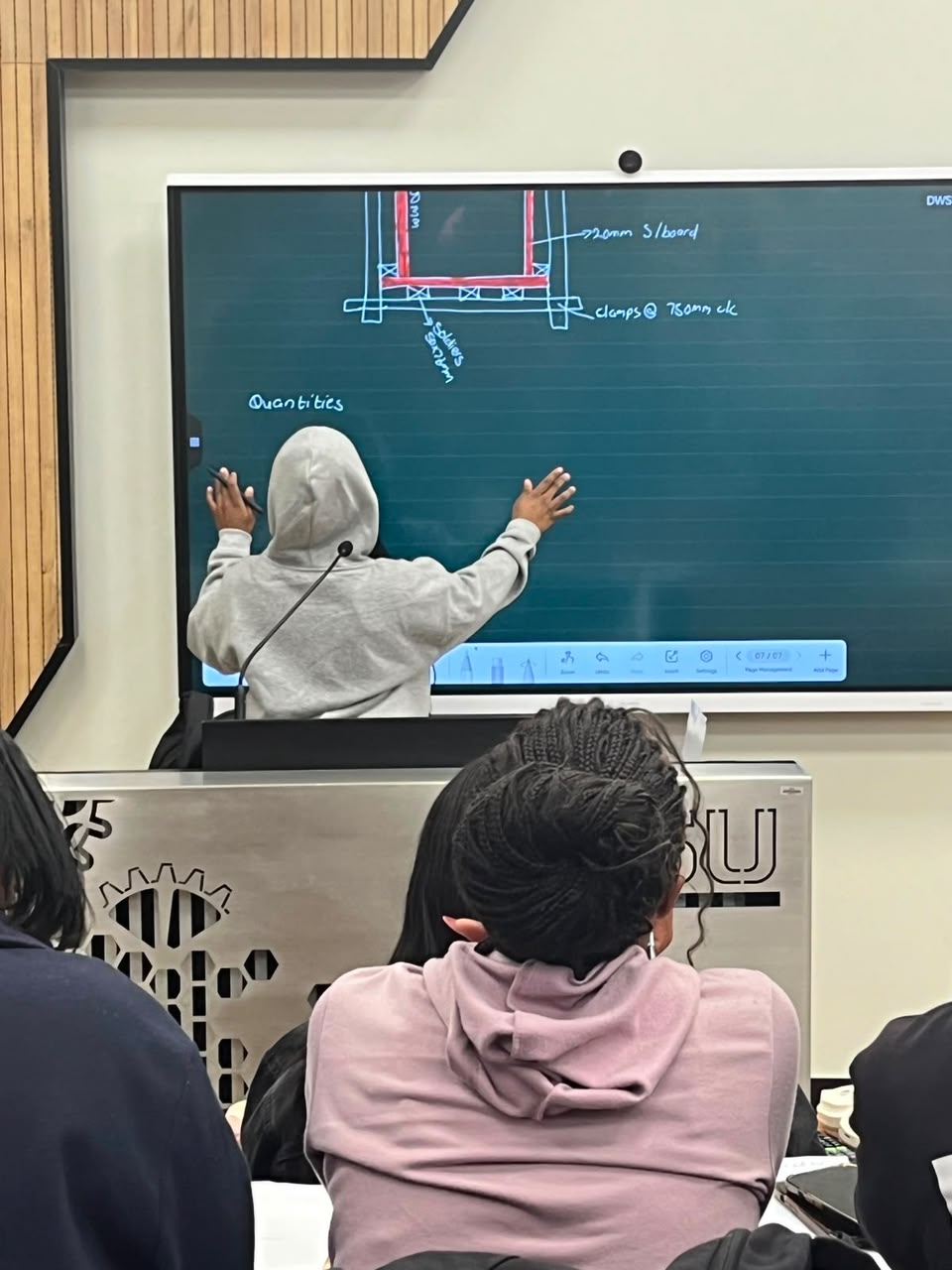
I explain important principles using simple language, examples, diagrams, calculations, or practical construction scenarios.

Step 4 · Demonstration and Guided Practice

I demonstrate how to solve sample questions step by step. Students then attempt similar questions with guidance.

Step 5 · Individual and Group Activities

I encourage students to solve problems independently or work collaboratively to discuss concepts and compare approaches.

Step 6 · Questions and Clarification

I give students an opportunity to ask questions and request further explanations where necessary.

Step 7 · Summary and Follow-Up

I summarise the main points, highlight common mistakes, and recommend additional practice questions or revision activities.

Teaching and Learning Strategies

  • Student-centred learning — encouraging active participation
  • Demonstration — showing students how to solve problems first
  • Collaborative learning — working together and sharing knowledge
  • Practical application — relating theory to real construction
  • Question-and-answer sessions — identifying misunderstandings
  • Formative assessment — using practice questions to check understanding
  • Individual support — extra help for students who need it

Supporting Students with Learning Challenges

Some students find numerical calculations, technical terminology, building drawings, or estimating procedures challenging. I break complex topics into smaller steps, provide additional examples, encourage repeated practice, and explain concepts using different methods where necessary.

My aim is to create a positive learning environment that supports understanding, confidence, and independent problem-solving.

05
Section Five

Integration of Technology

Technology plays an important role in supporting modern teaching and learning. I aim to use appropriate digital tools to improve access to learning materials, explain technical concepts, and encourage independent revision.

Tool 01

Digital Learning Materials

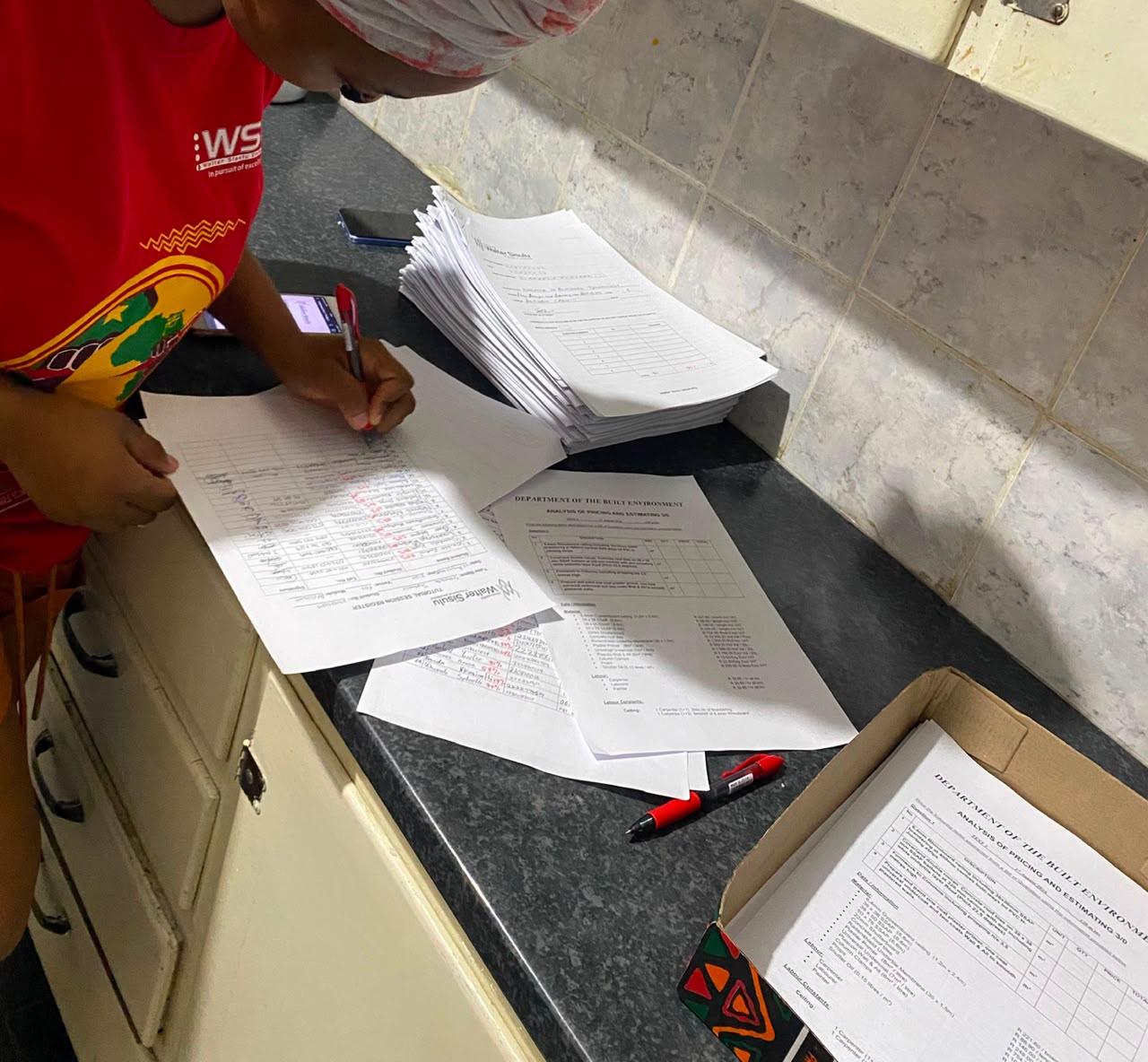
Electronic notes, PDFs, and presentation slides used for summaries, worked examples, practice questions, and revision materials.

Tool 02

Presentation Tools

PowerPoint and similar tools help organise content and present it clearly. Images, diagrams, and building details support Construction Technology.

Tool 03

Spreadsheets & Calculations

Excel supports accounting calculations, cost breakdowns, quantity estimates, and unit-rate analysis — while students still learn the underlying principles.

Tool 04

Online Learning & Communication

Teams, email, and university platforms share resources, communicate tutorial information, and support academic discussions.

Benefits of Technology Integration

  • Improves access to learning materials
  • Supports independent study and revision
  • Makes technical concepts easier to explain
  • Improves presentation of calculations
  • Encourages collaboration and communication
  • Provides additional practice opportunities

Viewpoint: I see technology as a tool that complements direct interaction, guided practice, and effective explanations — rather than replacing the tutor's role.

06
Section Six

Reflections & Lessons Learnt

Tutoring has highlighted the importance of preparation, patience, communication, adaptability, and continuous improvement.

Lessons Learnt

Lesson 01

Understanding Different Learning Needs

Students respond differently to teaching methods. This reinforced the importance of explaining concepts in different ways and allowing enough time to practise.

Lesson 02

The Importance of Practical Examples

Practical examples connect theory to construction. Diagrams and building details help in Construction Technology; worked calculations help in Accounting and Estimating.

Lesson 03

Encouraging Student Participation

Students benefit from asking questions, attempting exercises, and learning from mistakes. Active participation strengthens problem-solving skills.

Lesson 04

Preparation & Time Management

Effective tutorials require careful preparation and realistic time management. I aim to balance explanations, guided exercises, questions, and summaries.

Lesson 05

Continuous Professional Growth

Tutoring has encouraged me to reflect on my communication, explanations, and strategies. There is always room to improve.

Challenges and How I Aim to Address Them

Challenge How I Aim to Address It
Different levels of understanding Revise foundational concepts and provide additional examples where necessary.
Difficult calculations Break problems into manageable steps and encourage practice of similar questions.
Limited participation Create a welcoming atmosphere where students feel comfortable asking questions and making mistakes.
Time constraints Prioritise learning objectives and organise activities according to their importance.
Complex technical concepts Use drawings, diagrams, illustrations, and practical examples to make explanations clearer.

Areas for Improvement

  • Improve tutorial planning and preparation
  • Collect and use student feedback to improve future sessions
  • Introduce more practice questions and practical examples
  • Encourage students to solve problems independently
  • Develop additional digital learning resources
  • Identify challenging topics earlier and allocate more time
  • Participate in relevant training and development opportunities